Over the years, Military Tales has amassed an extensive archive of military-related photographs, collected from a wide range of legitimate and trusted sources. These images capture powerful moments, historic events, everyday life in the armed forces, and the human side of military service. Rather than let this growing collection sit unseen on our file server, we’ve decided it’s time to share it with the world. As we begin uploading these photos, we hope they will inform, inspire, and honor the stories behind them. Thank you for joining us in preserving and appreciating this visual history.
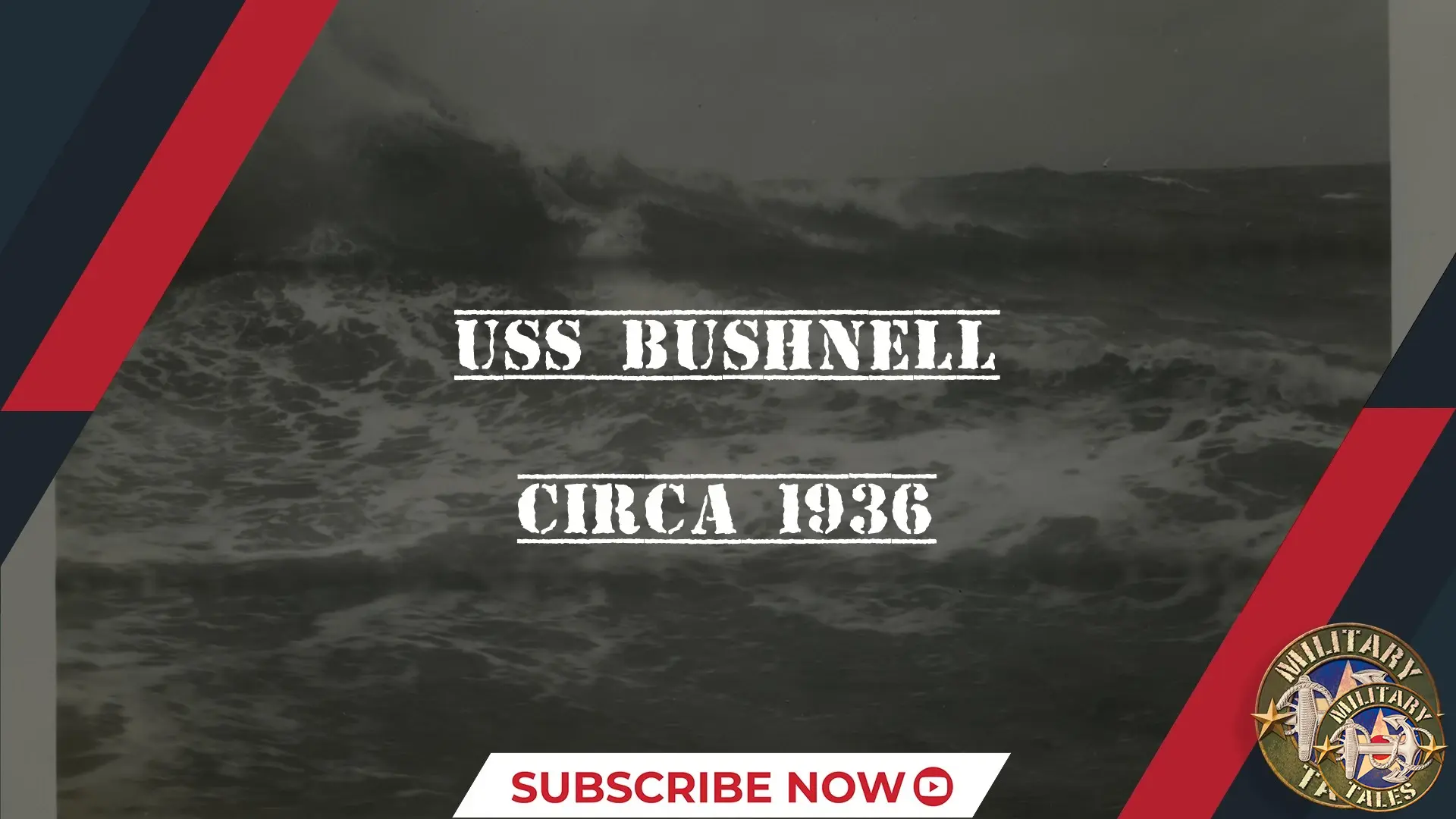
USS Bushnell (217246B)
+The USS Bushnell and other **submarine tenders** served a vital role in supporting the US Navy’s submarine force. Their duties included providing forward logistics support, such as replenishing torpedoes, food, and other essential supplies to submarines deployed at sea or in forward operating locations. They also offered intermediate-level maintenance and repair services, allowing submarines to remain operational for longer periods without returning to a major shipyard. Additionally, submarine tenders provided berthing and messing facilities for submarine crews undergoing repairs or refits, acting as a floating support base for the “silent service.”
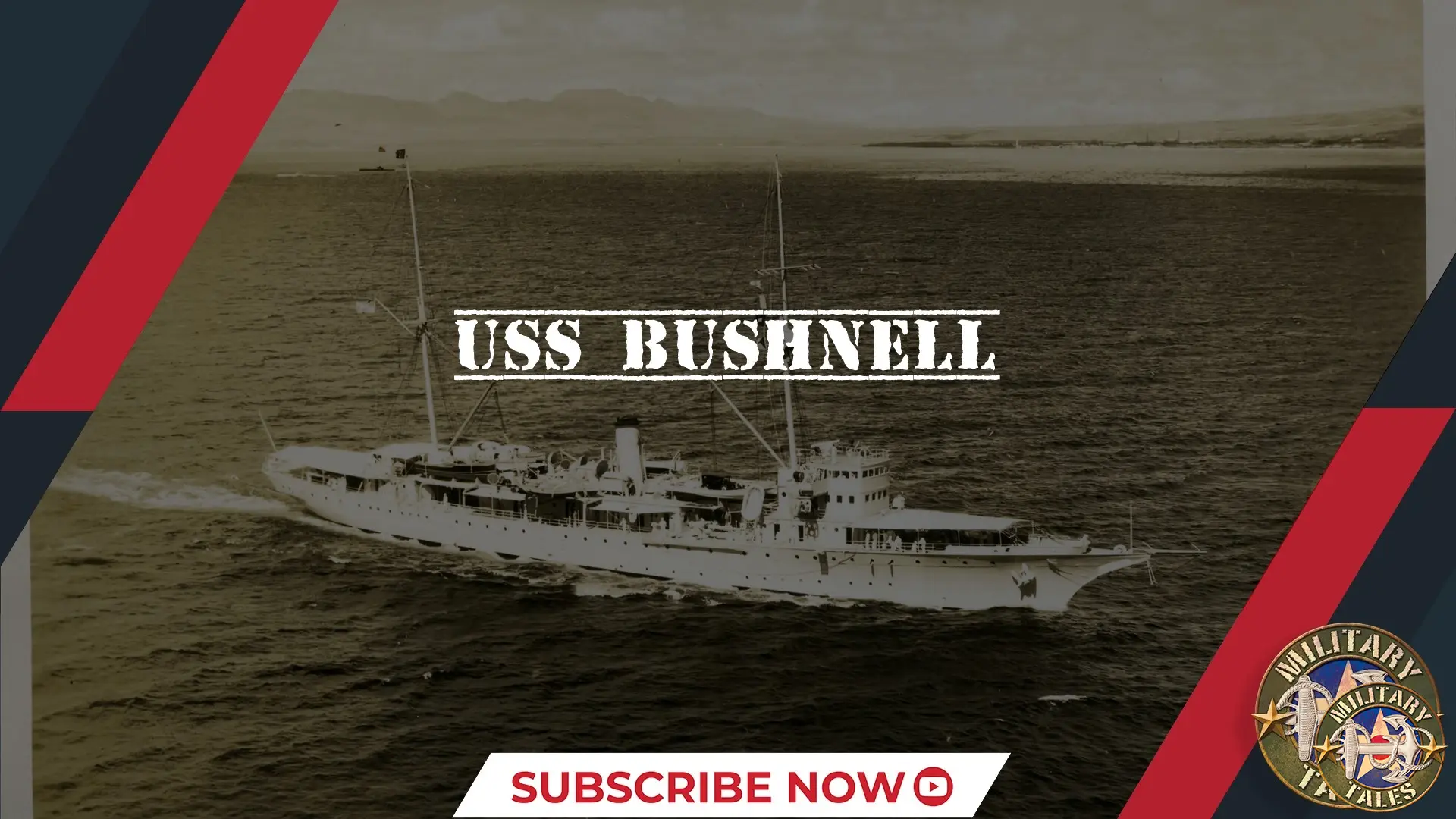
USS Bushnell (217246A)
+In 1936, the USS Bushnell (AS-15), a submarine tender of the United States Navy, continued her service in support of the fleet. Having been commissioned in 1915, she had already seen a significant period of service. In 1936, her primary role remained providing repair, maintenance, and logistic support to submarines, enabling their operational readiness. While the international political landscape was increasingly tense in the lead-up to World War II, the Bushnell’s operations in 1936 were largely routine, focused on maintaining the readiness of the submarine force.
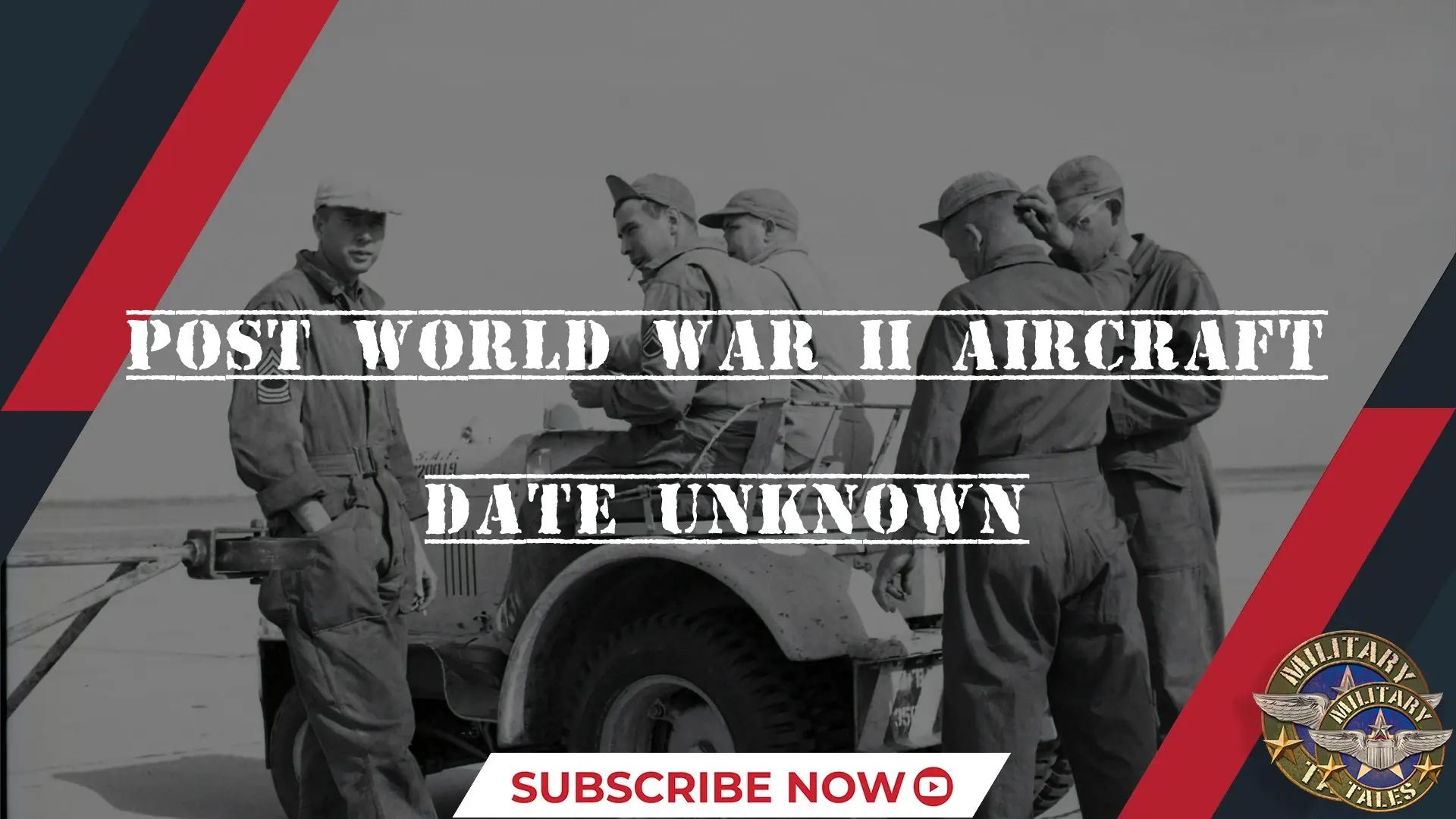
Post World War II Aircraft (217245B)
+Immediately after World War II, the US military found itself with a massive fleet of aircraft, many of which were rapidly becoming obsolete in the face of jet engine technology. The immediate focus was on consolidating and reorganizing this vast inventory. Some iconic warbirds like the P-51 Mustang and B-29 Superfortress continued in service for a time, often filling training roles or serving in reserve. However, the push was on to develop and deploy new, jet-powered aircraft, leading to the gradual phasing out of many piston-engine models. The national defense budget faced considerable scrutiny after the wartime spending, leading to difficult choices regarding which aircraft programs to prioritize.
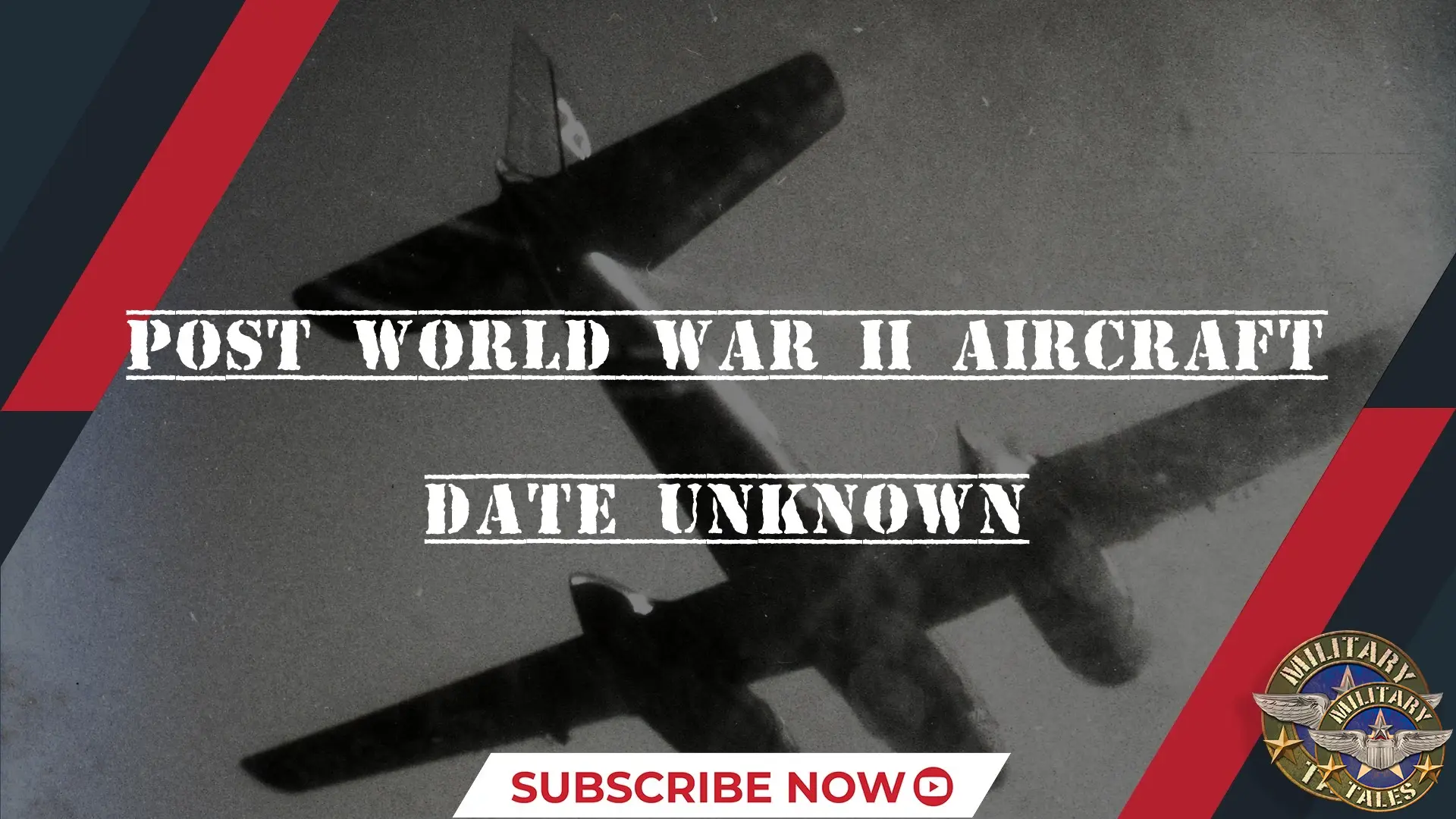
Post World War II Aircraft (217245A)
+Immediately following World War II, the US military found itself with a surplus of aircraft. Many of these planes, particularly the B-29 Superfortress, became symbols of American air power, though many were ultimately scrapped or repurposed. The focus shifted from mass production towards developing jet-powered aircraft and exploring new technologies like nuclear capabilities to meet the changing geopolitical landscape of the emerging Cold War.
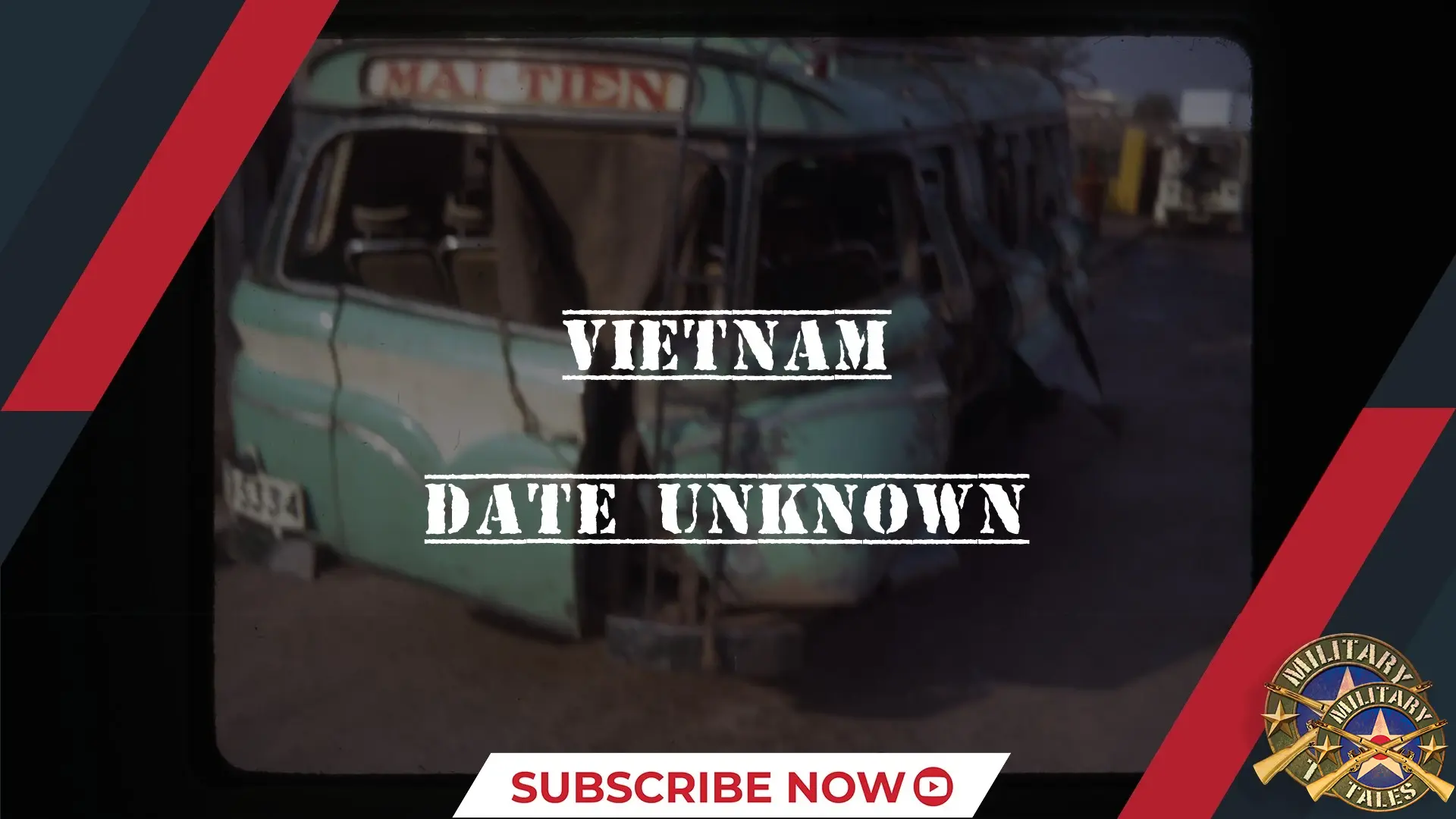
Vietnam (217244C)
+Soldiers in Vietnam often formed strong bonds with one another due to the shared experiences of combat, hardship, and reliance on each other for survival. These camaraderies were forged in the face of adversity and often lasted long after the war ended, offering a sense of understanding and support that others could not provide, serving as a vital source of mutual support.

Vietnam (217244B)
+Soldiers in Vietnam often formed strong bonds with one another due to the shared experiences of combat, hardship, and reliance on each other for survival. These camaraderies were forged in the face of adversity and often lasted long after the war ended, offering a sense of understanding and support that others could not provide, serving as a vital source of mutual support.
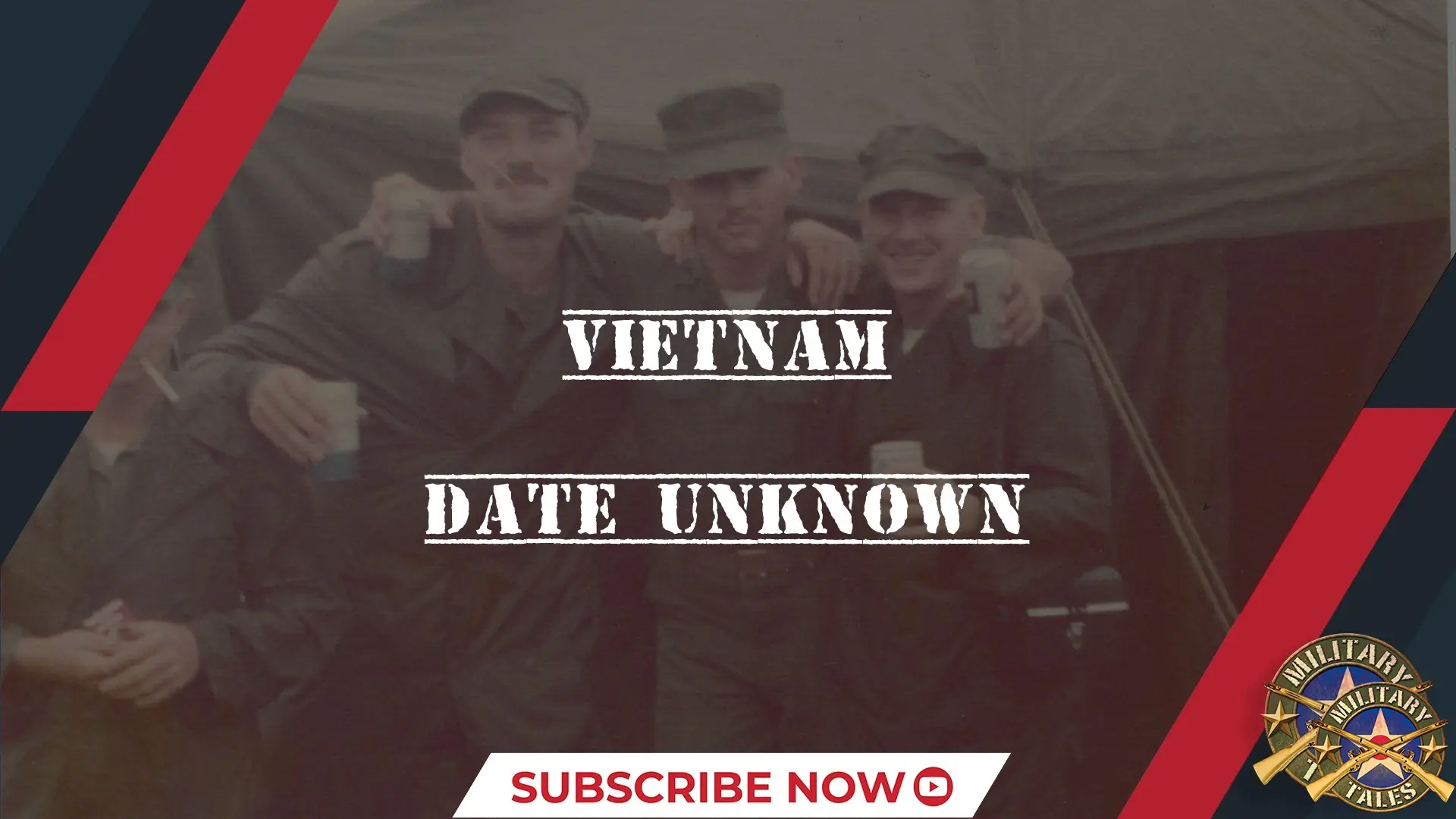
Vietnam (217244A)
+Soldiers in Vietnam often formed strong bonds with one another due to the shared experiences of combat, hardship, and reliance on each other for survival. These camaraderies were forged in the face of adversity and often lasted long after the war ended, offering a sense of understanding and support that others could not provide, serving as a vital source of mutual support.
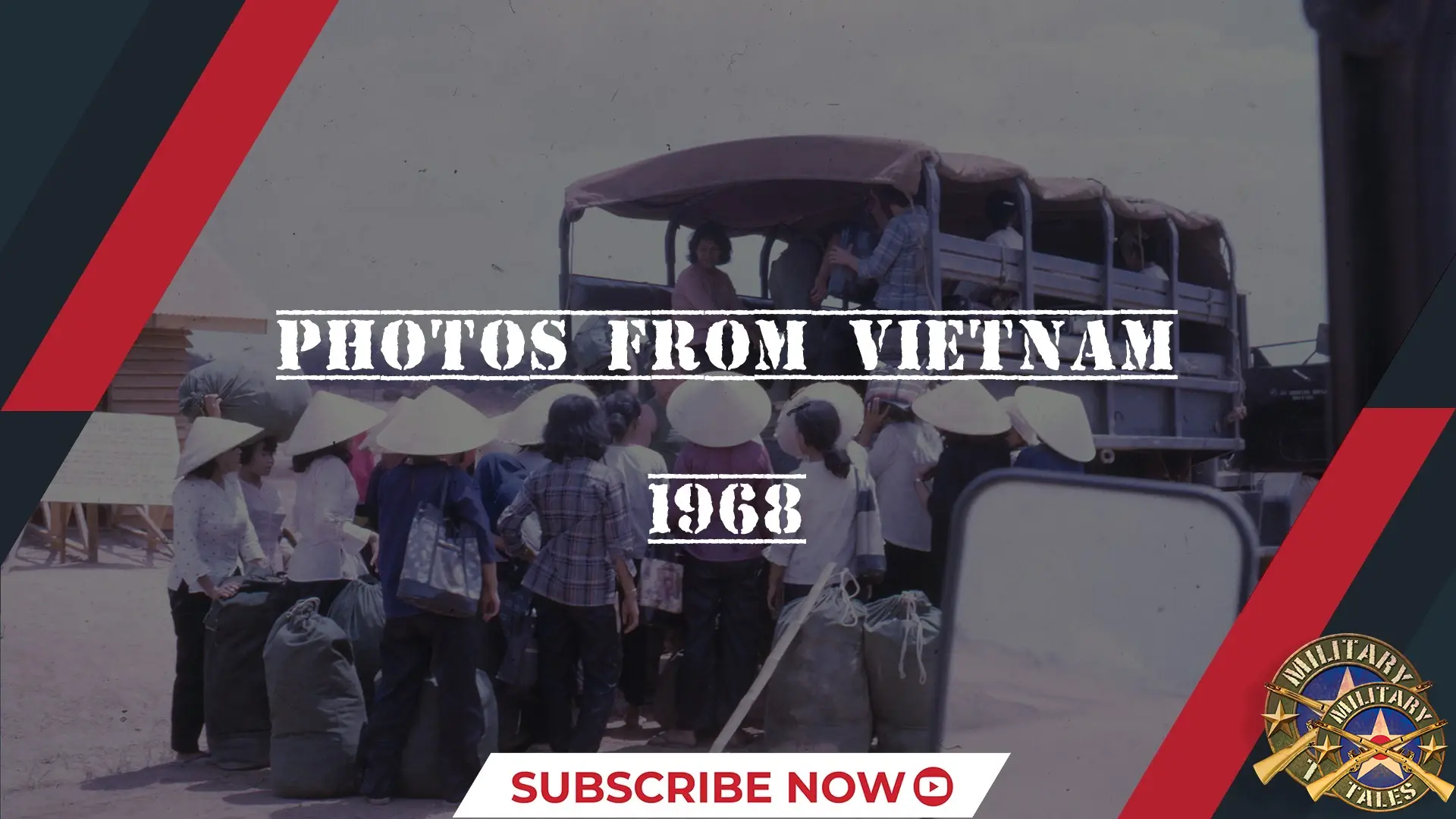
Vietnam 1968 (217240)
+1968 was a pivotal year in the Vietnam War. The Tet Offensive, a series of surprise attacks by the Viet Cong and North Vietnamese forces across South Vietnam, dramatically shifted public opinion in the United States. While a military victory for the US and South Vietnam, the intensity and scale of the offensive undermined assurances from the Johnson administration about progress in the war. This led to increased anti-war sentiment and growing calls for de-escalation. The year also saw the My Lai Massacre, which further fueled opposition to the war and contributed to a growing sense of moral unease about US involvement. Ultimately, 1968 marked a turning point, pushing the US towards seeking a negotiated settlement.
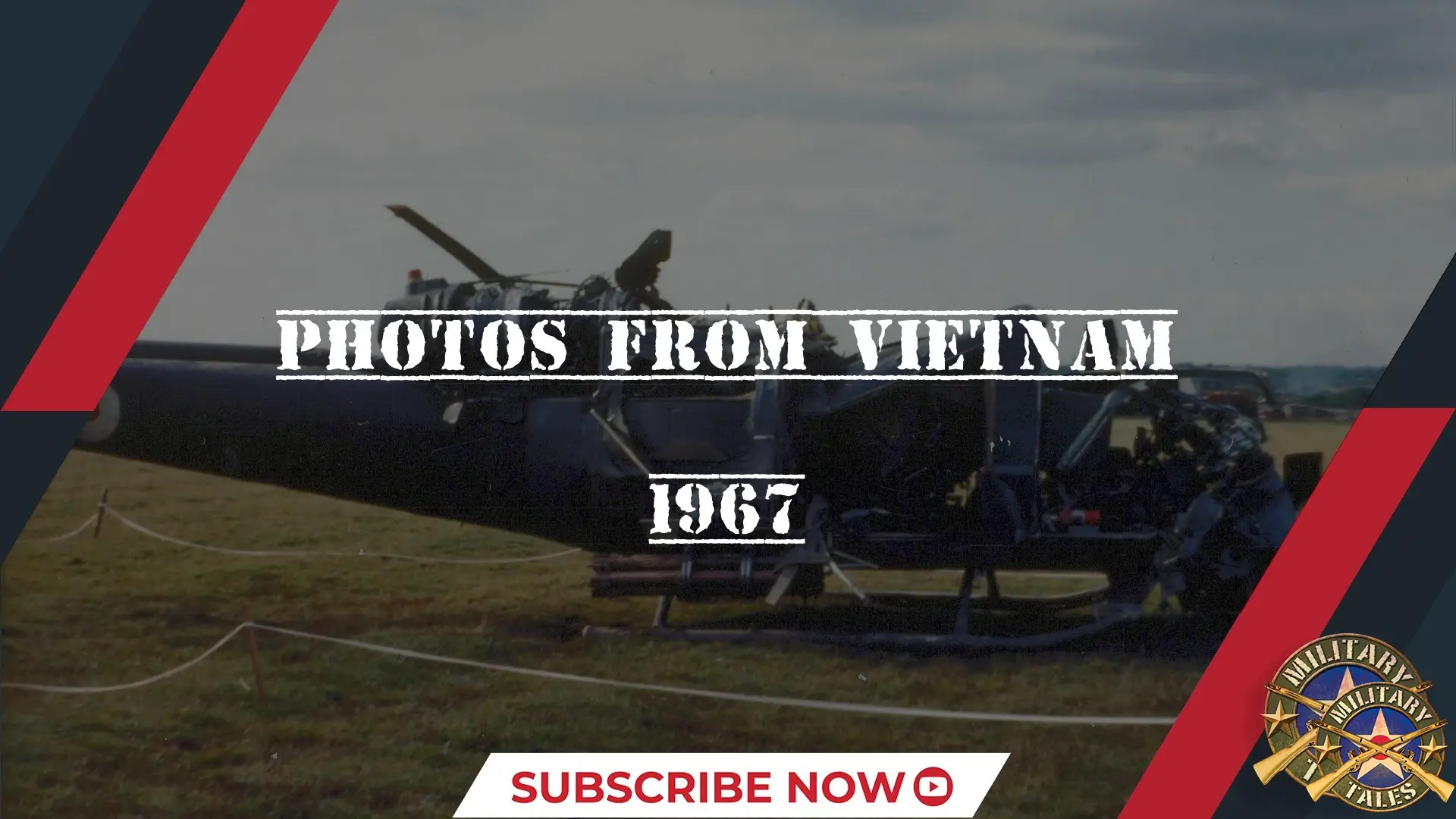
Vietnam 1967 (217239)
+By 1967, American soldiers in Vietnam were deeply entrenched in a grueling and often frustrating war. They faced a determined enemy in the Viet Cong and North Vietnamese Army, often fighting in dense jungle terrain under sweltering conditions. Many were young draftees, far from home and grappling with the moral ambiguities of the conflict. The year saw intense fighting during operations like Operation Cedar Falls and Operation Junction City, large-scale search-and-destroy missions intended to disrupt enemy supply lines and base camps. Despite these efforts, progress was slow, and the rising anti-war sentiment back home further complicated the soldiers’ experiences and morale
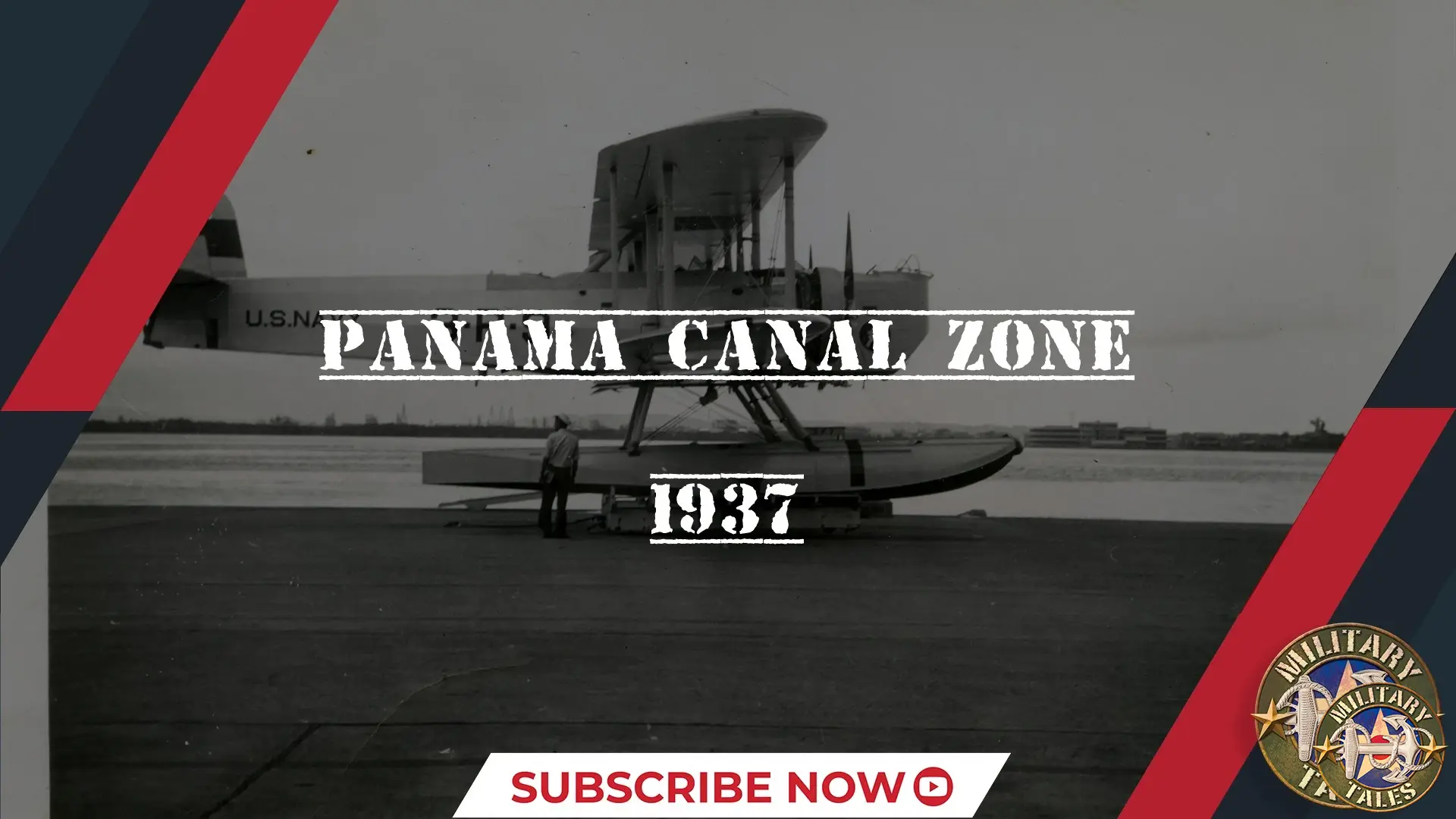
Panama Canal Zone 1937 (217233)
+Life in the Panama Canal Zone in 1937 was largely shaped by the omnipresent American presence and control. The Zone, a ten-mile-wide strip of land bisecting Panama, was governed by the United States, providing employment and housing primarily for American citizens and a sizable West Indian workforce. While the Zone offered a relatively comfortable existence for Americans, with modern amenities like schools, hospitals, and commissaries, it also enforced a system of racial segregation, with West Indian workers facing lower wages and unequal treatment. Economically, the Zone was entirely dependent on the operation and maintenance of the Panama Canal, a vital artery of global trade. The Canal Zone Police Department maintained order, and life revolved around the Canal’s rhythms. The strategic importance of the Canal also meant a constant military presence, adding another layer to the unique character of this American enclave within a foreign nation.
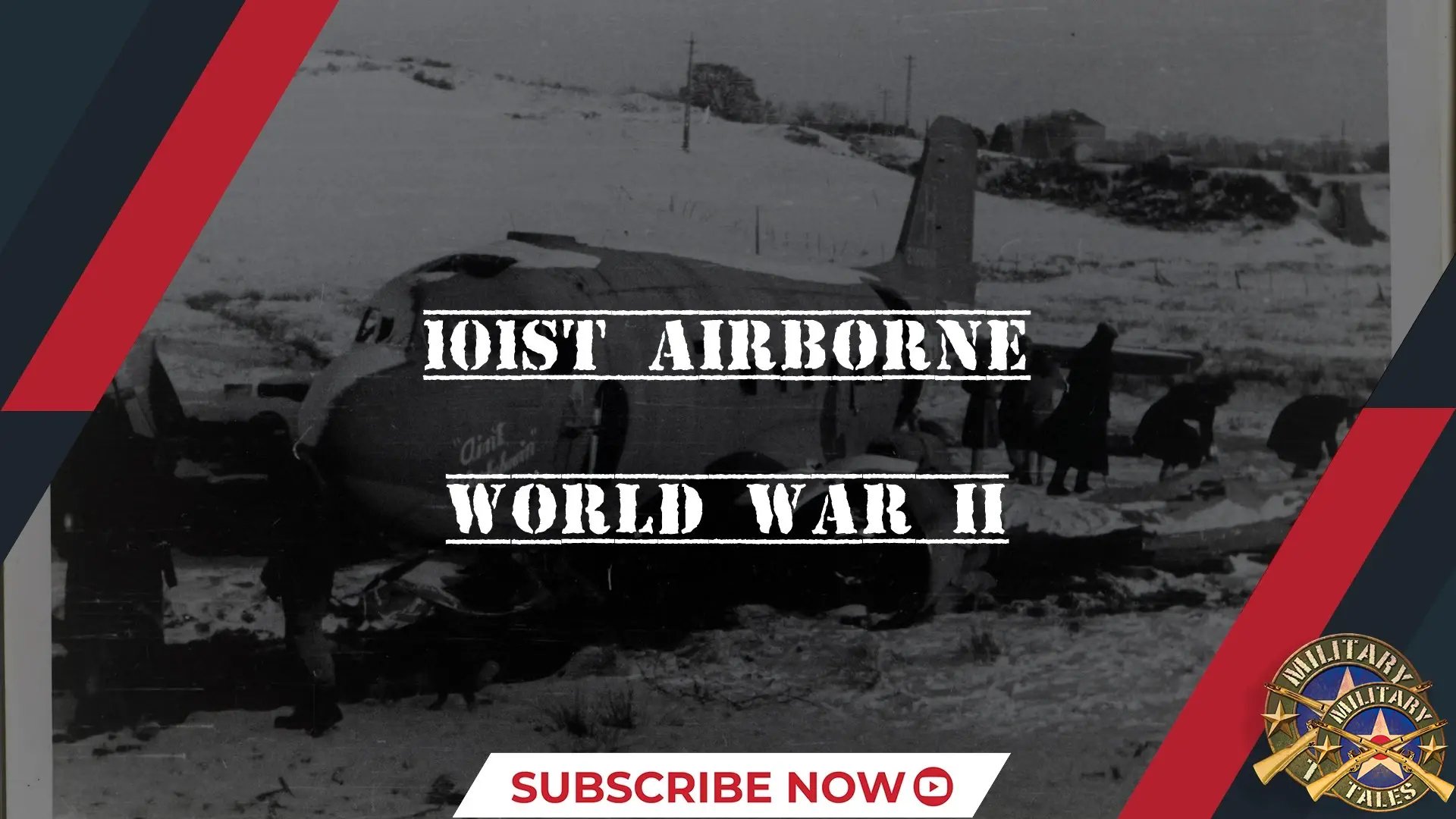
101st Airborne WWII (217231)
+The 101st Airborne Division, nicknamed the “Screaming Eagles,” played a pivotal role in World War II, becoming synonymous with courage and determination. Activated in August 1942, they distinguished themselves through daring airborne operations. Their first combat jump was during Operation Overlord on D-Day, landing behind enemy lines in Normandy to secure vital causeways and disrupt German defenses. The division endured heavy fighting, including the grueling Battle of Bloody Gulch. Later, they participated in Operation Market Garden, a bold but ultimately unsuccessful attempt to seize bridges deep in the Netherlands. Perhaps their most famous stand came during the Battle of the Bulge in December 1944, when the 101st was encircled in Bastogne, Belgium. Despite being heavily outnumbered and lacking supplies, they famously refused to surrender, holding the line until reinforcements arrived. The 101st’s resilience and fighting spirit in Bastogne cemented their reputation as one of the most elite and respected divisions in the U.S. Army during the war, going on to liberate areas and capture Hitler’s Eagle’s Nest.
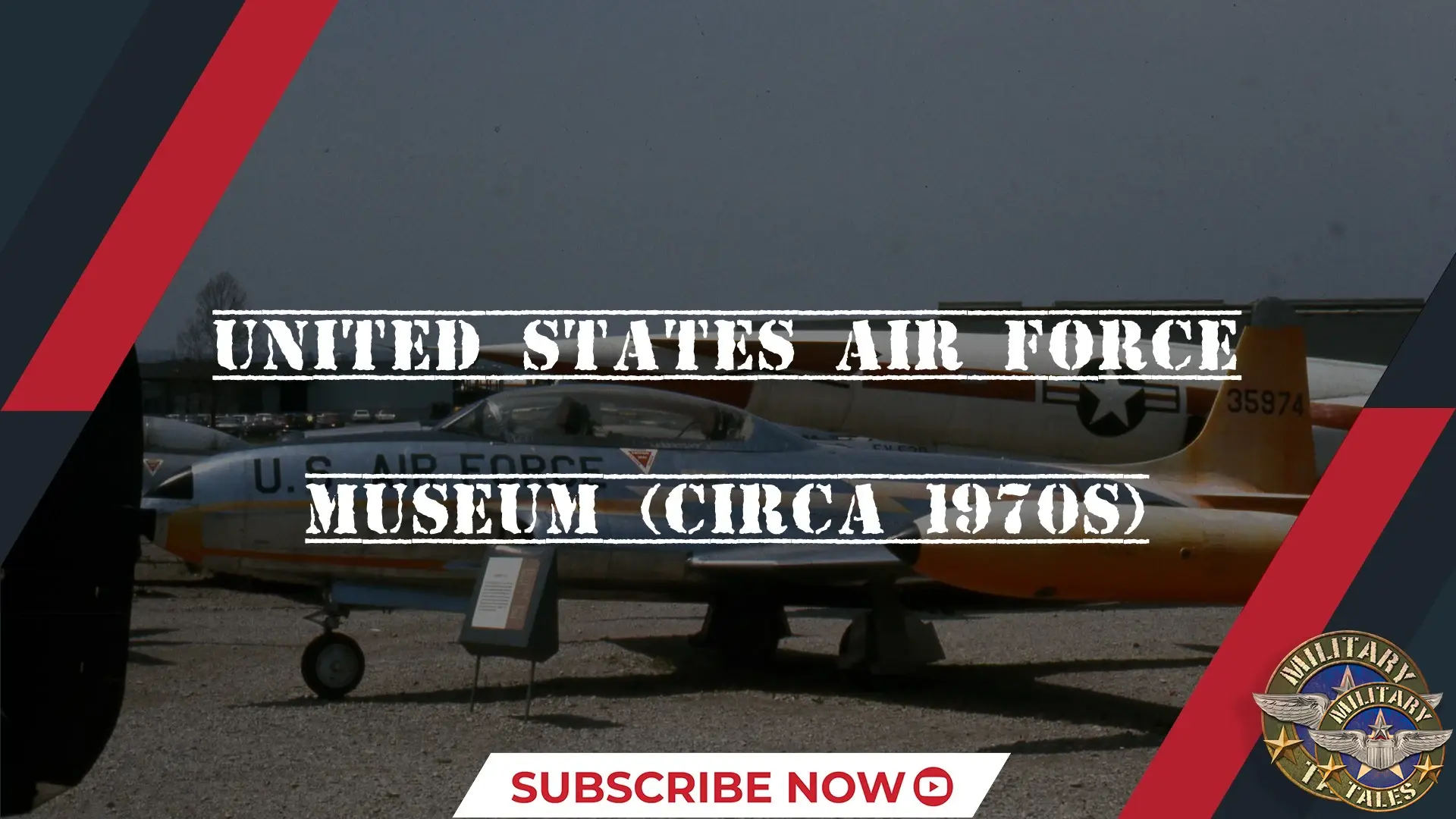
USAF Museum 1970 (217238)
+The National Museum of the U.S. Air Force, located in Dayton, Ohio, is a must-see for aviation enthusiasts and history buffs alike. This sprawling museum chronicles the entire history of the United States Air Force, from its early days as part of the U.S. Army to its modern-day capabilities. Visitors can explore a vast collection of aircraft, including iconic planes like the B-29 Superfortress “Bockscar” and a VC-137C SAM 26000, which served as **Air Force One** for multiple presidents. The museum also offers interactive exhibits and displays that showcase the advancements in aerospace technology and the stories of the brave men and women who have served in the Air Force. Furthermore, a newer building houses a large display on **Space exploration**. Admission is free, making it an accessible and enriching experience for all. The museum complex is vast, boasting multiple hangers, so comfortable shoes are recommended for a full day of exploration into the history of **military aviation**.
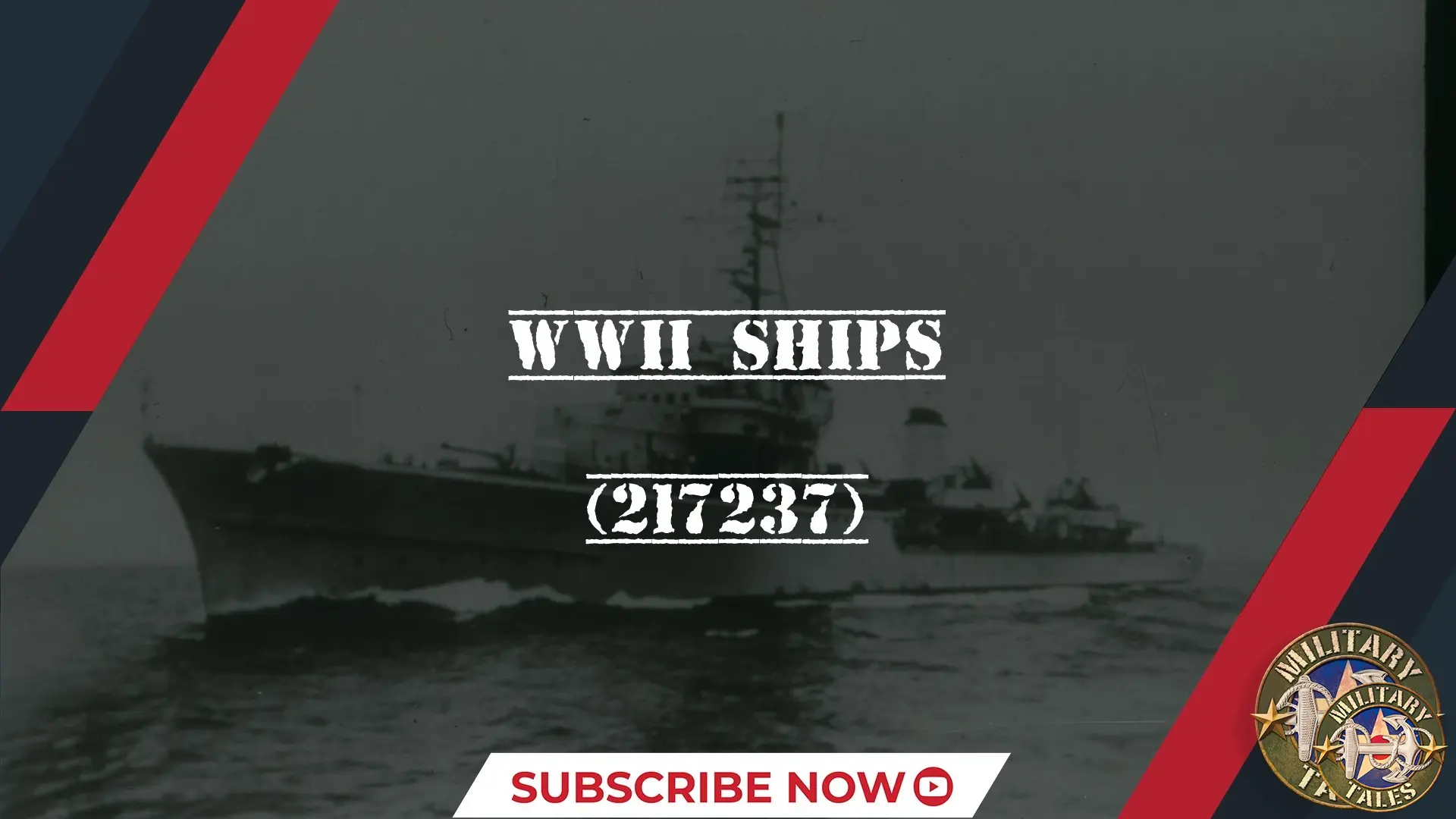
WWII Ships (217237)
+World War II saw a massive expansion and evolution of naval power, with ships playing pivotal roles in battles across the globe. Among the most important were the aircraft carriers, which fundamentally altered naval warfare by projecting air power far beyond the range of battleships. Battleships themselves, although still impressive in firepower, became increasingly vulnerable to air attacks. Destroyers, smaller and more versatile, were crucial for escorting convoys and protecting larger ships from submarines. These diverse vessel types, combined with advancements in radar and sonar technology, reshaped the maritime landscape and profoundly influenced the outcome of the war. One often overlooked but vitally important class were the submarines, which were crucial for blockading enemy supply lines. Furthermore, Landing craft, like LSTs and LCVPs, were essential for amphibious assaults, enabling troops to land on enemy shores during critical operations like D-Day.
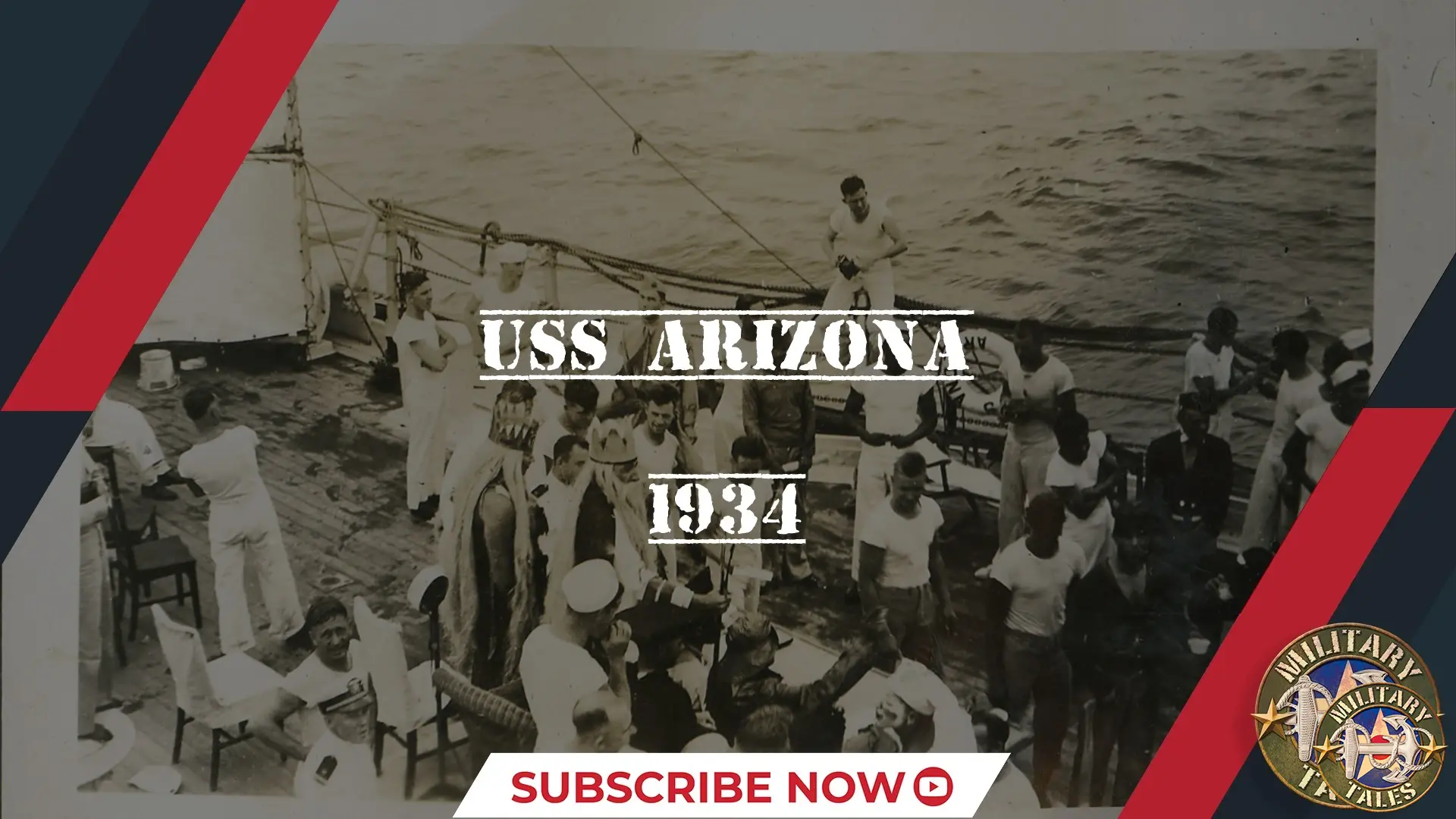
USS Arizona 1934 (217232)
+In 1934, the USS Arizona, a Pennsylvania-class battleship, was a proud member of the United States Navy’s Battle Fleet, typically operating in the Pacific. Life aboard revolved around training exercises and drills, including gunnery practice and tactical maneuvers, preparing the crew for potential conflicts. Although the Great Depression was still impacting the nation, the ship’s presence was a symbol of American strength and a source of employment for hundreds of sailors. The atmosphere was generally one of routine and preparedness, unaware of the tragic fate awaiting her just a few years later at Pearl Harbor.