Over the years, Military Tales has amassed an extensive archive of military-related photographs, collected from a wide range of legitimate and trusted sources. These images capture powerful moments, historic events, everyday life in the armed forces, and the human side of military service. Rather than let this growing collection sit unseen on our file server, we’ve decided it’s time to share it with the world. As we begin uploading these photos, we hope they will inform, inspire, and honor the stories behind them. Thank you for joining us in preserving and appreciating this visual history.

Photos From Thailand 1965 (217241T)
+This collection of photos offers a glimpse into the life of a serviceman stationed in Thailand during 1965. They likely depict scenes of daily life, perhaps interactions with local communities, off-duty activities, and training exercises. These images serve as a visual record of a soldier’s experiences during that period, reflecting their contribution to the Vietnam War era while serving abroad, and the American presence.

Photos From Thailand 1965 (217241S)
+This collection of photos offers a glimpse into the life of a serviceman stationed in Thailand during 1965. They likely depict scenes of daily life, perhaps interactions with local communities, off-duty activities, and training exercises. These images serve as a visual record of a soldier’s experiences during that period, reflecting their contribution to the Vietnam War era while serving abroad, and the American presence.

Photos From Thailand 1965 (217241R)
+This collection of photos offers a glimpse into the life of a serviceman stationed in Thailand during 1965. They likely depict scenes of daily life, perhaps interactions with local communities, off-duty activities, and training exercises. These images serve as a visual record of a soldier’s experiences during that period, reflecting their contribution to the Vietnam War era while serving abroad, and the American presence.
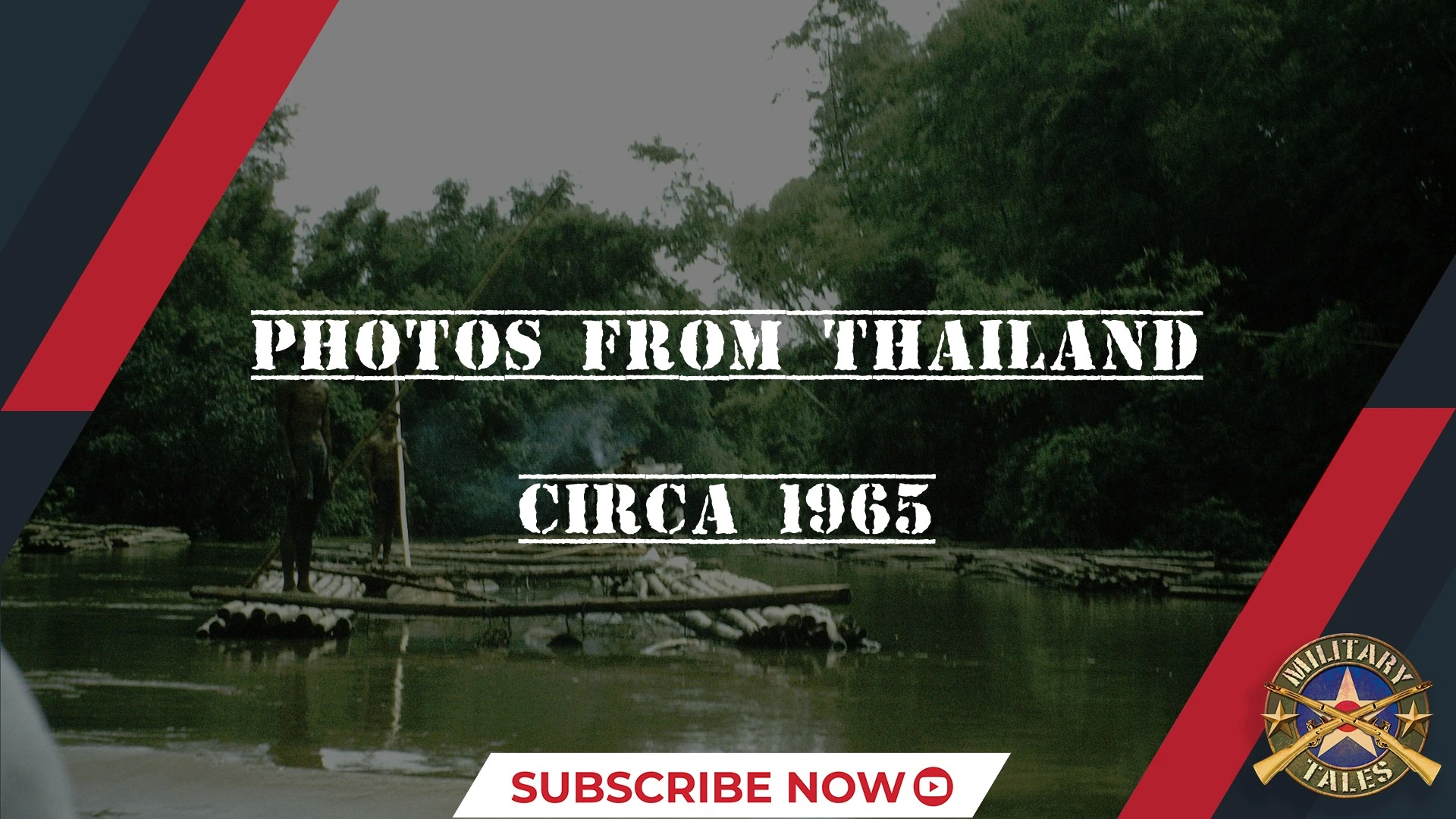
Photos From Thailand 1965 (217241Q)
+This collection of photos offers a glimpse into the life of a serviceman stationed in Thailand during 1965. They likely depict scenes of daily life, perhaps interactions with local communities, off-duty activities, and training exercises. These images serve as a visual record of a soldier’s experiences during that period, reflecting their contribution to the Vietnam War era while serving abroad, and the American presence.
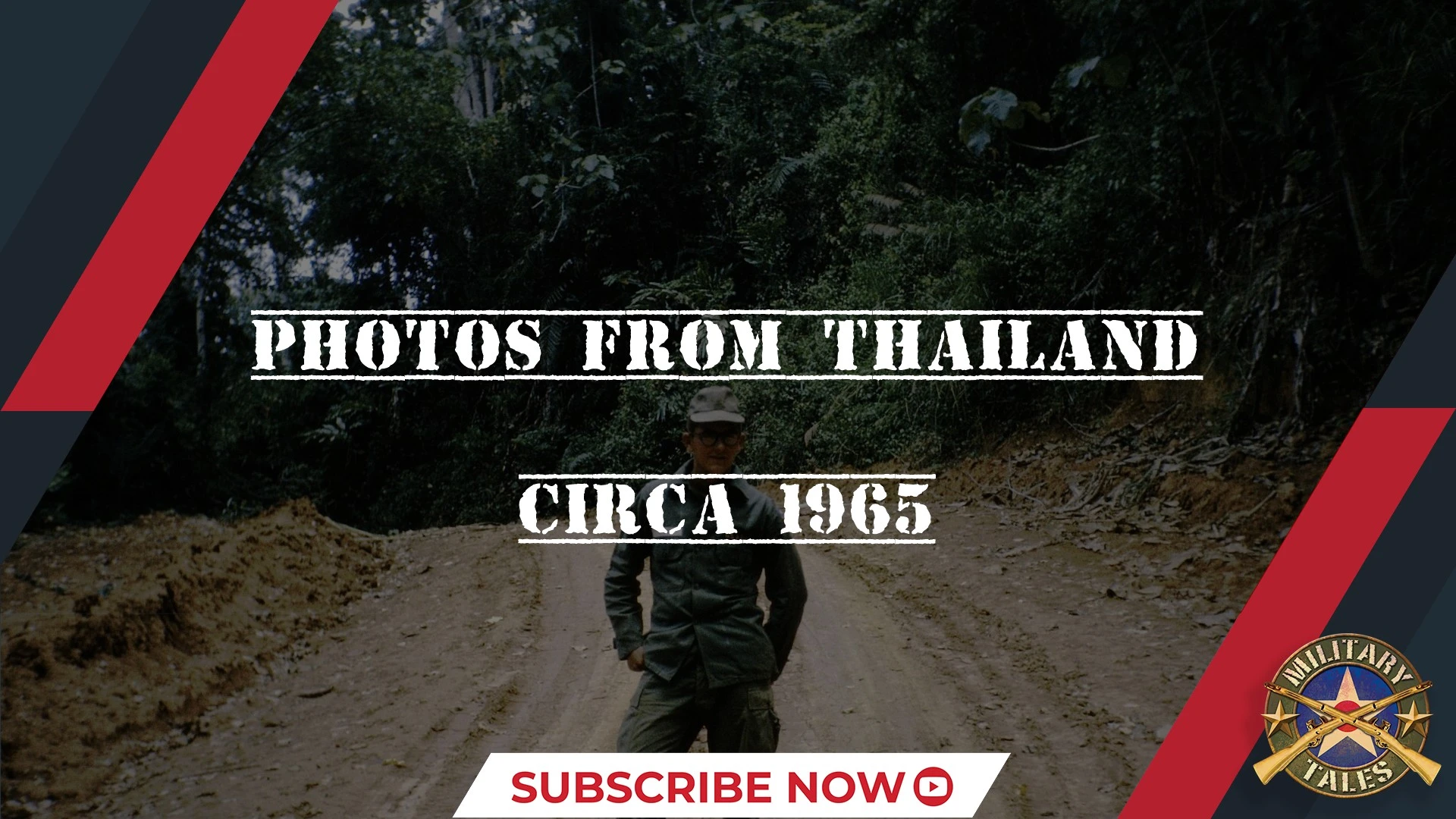
Photos From Thailand 1965 (217241W)
+This collection of photos offers a glimpse into the life of a serviceman stationed in Thailand during 1965. They likely depict scenes of daily life, perhaps interactions with local communities, off-duty activities, and training exercises. These images serve as a visual record of a soldier’s experiences during that period, reflecting their contribution to the Vietnam War era while serving abroad, and the American presence.

Photos From Thailand 1965 (217241V)
+This collection of photos offers a glimpse into the life of a serviceman stationed in Thailand during 1965. They likely depict scenes of daily life, perhaps interactions with local communities, off-duty activities, and training exercises. These images serve as a visual record of a soldier’s experiences during that period, reflecting their contribution to the Vietnam War era while serving abroad, and the American presence.

Photos From Thailand 1965 (217241U)
+This collection of photos offers a glimpse into the life of a serviceman stationed in Thailand during 1965. They likely depict scenes of daily life, perhaps interactions with local communities, off-duty activities, and training exercises. These images serve as a visual record of a soldier’s experiences during that period, reflecting their contribution to the Vietnam War era while serving abroad, and the American presence.

Photos From Thailand 1965 (217241Y)
+This collection of photos offers a glimpse into the life of a serviceman stationed in Thailand during 1965. They likely depict scenes of daily life, perhaps interactions with local communities, off-duty activities, and training exercises. These images serve as a visual record of a soldier’s experiences during that period, reflecting their contribution to the Vietnam War era while serving abroad, and the American presence.

Photos From Thailand 1965 (217241X)
+This collection of photos offers a glimpse into the life of a serviceman stationed in Thailand during 1965. They likely depict scenes of daily life, perhaps interactions with local communities, off-duty activities, and training exercises. These images serve as a visual record of a soldier’s experiences during that period, reflecting their contribution to the Vietnam War era while serving abroad, and the American presence.
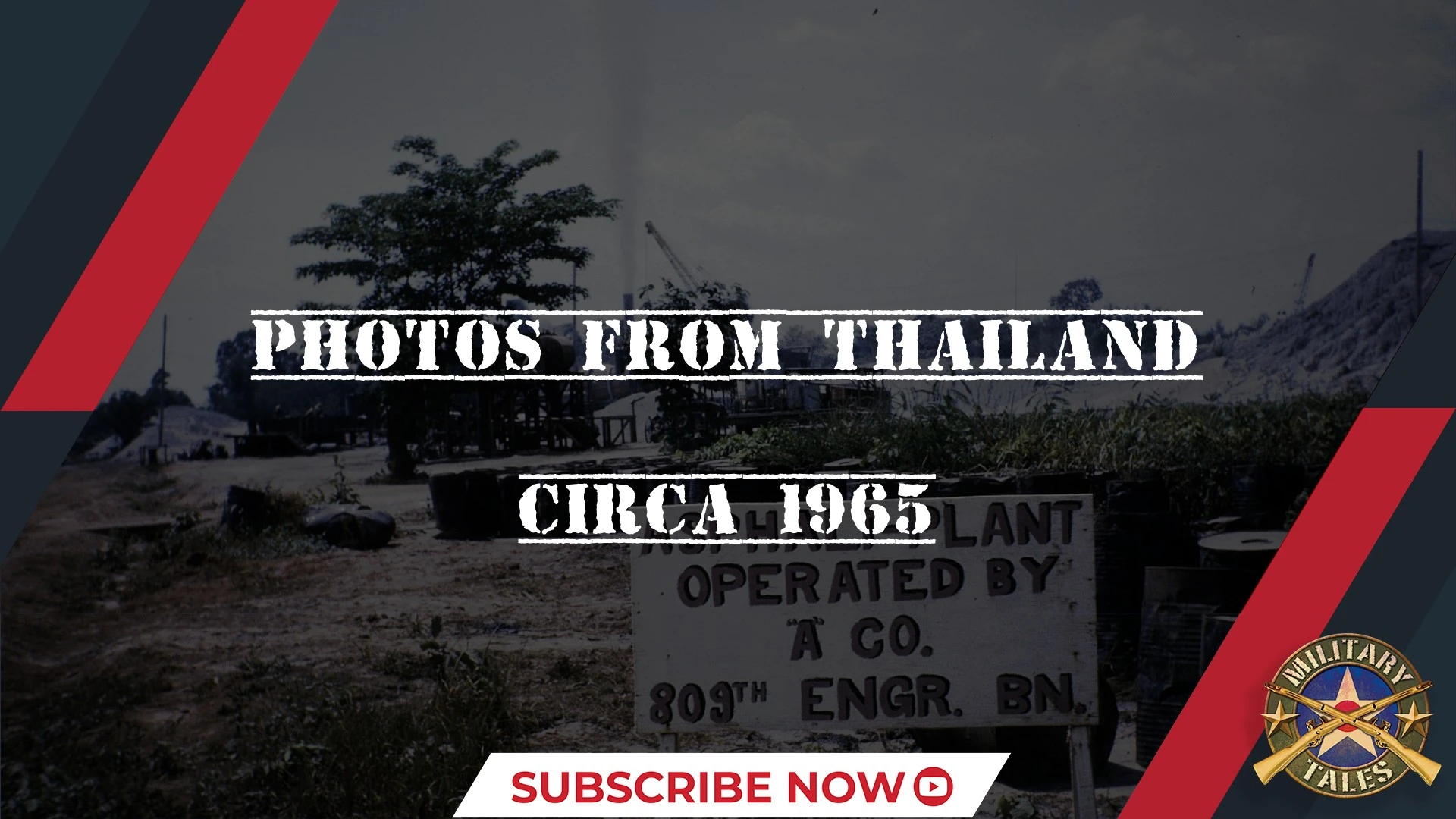
Photos From Thailand 1965 (217241Z)
+This collection of photos offers a glimpse into the life of a serviceman stationed in Thailand during 1965. They likely depict scenes of daily life, perhaps interactions with local communities, off-duty activities, and training exercises. These images serve as a visual record of a soldier’s experiences during that period, reflecting their contribution to the Vietnam War era while serving abroad, and the American presence.

Holloman Air Force Base 1950s (217243)
+Holloman Air Force Base in the 1950s was a hub of pioneering research and development, particularly focused on missile technology and high-altitude testing. The base, located in the New Mexico desert, provided an ideal environment for these endeavors due to its clear skies, vast open spaces, and low population density. A significant portion of the work centered around the development of guided missiles and studying the effects of spaceflight on humans and equipment. Notably, the base was home to the Aeromedical Field Laboratory, where scientists conducted experiments with chimpanzees to understand the physiological stresses of space travel. The work conducted at Holloman during this era played a crucial role in the United States’ race to achieve air and space superiority during the Cold War.

AZORES HICKEM ENGLAND AIRCRAFT (217250)
+This collection features aircraft photographs from two distinct locations: the Azores, a remote archipelago in the Atlantic, and Hickam, England, likely referring to RAF Lakenheath near Mildenhall. These images likely showcase diverse aircraft types due to the strategic importance of both areas.

Fort Terry to Japan (217252)
+This intriguing assemblage presents a glimpse into a soldier’s personal journey, unfolding through candid photographs taken between 1935 and 1936. Starting with scenes likely around Fort Terry, the collection vividly documents military life, perhaps including training exercises, barracks snapshots, and off-duty recreation. The narrative then shifts geographically, offering a visual record of the soldier’s deployment to Japan. These later images potentially capture aspects of occupation duty, interactions with the local population, or significant landmarks. As a private collection, it provides a rare and intimate perspective that official military records often lack, making it a valuable historical resource.
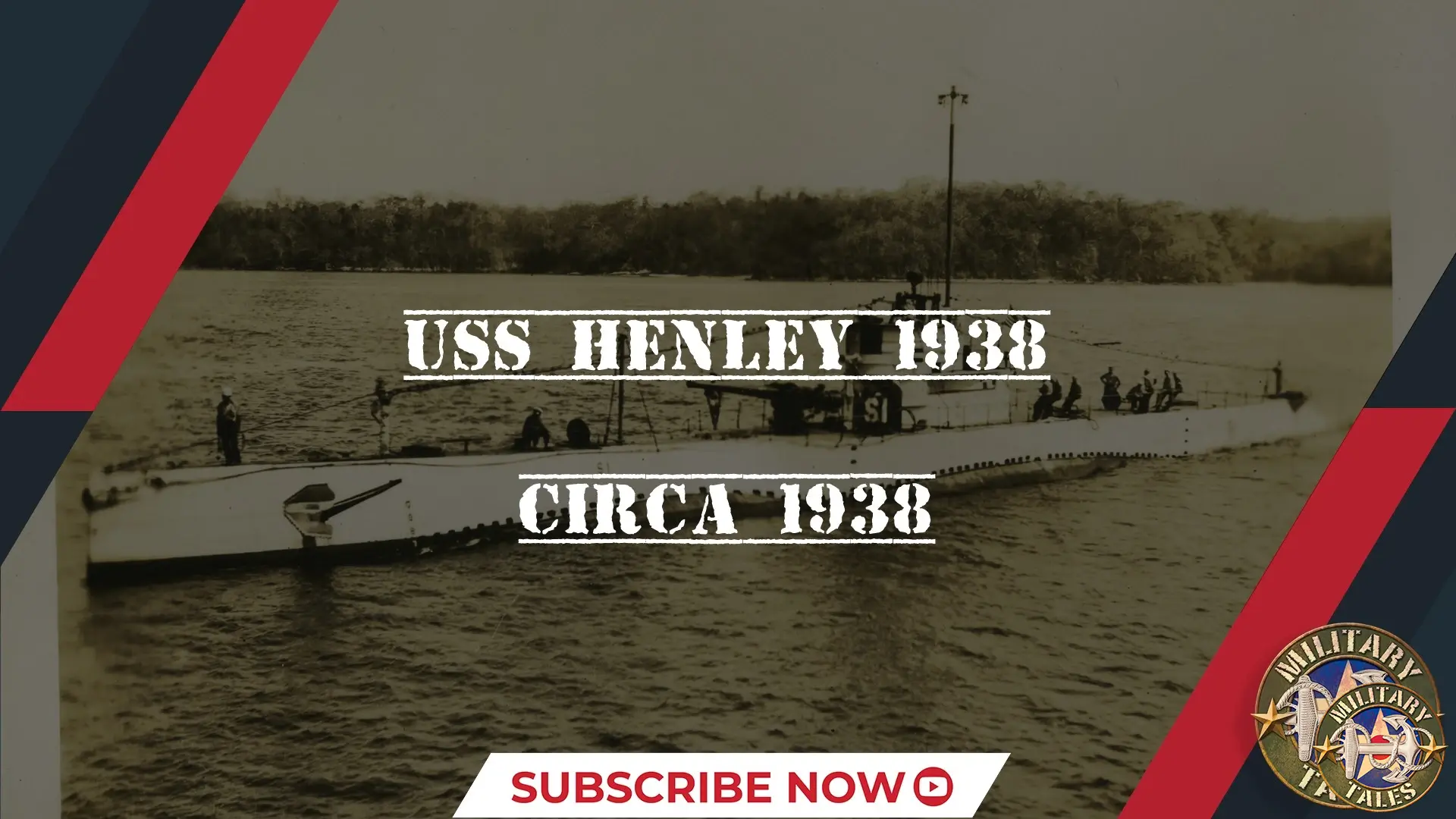
USS Henley 1938 (217701)
+These candid snapshots, seemingly plucked from a forgotten scrapbook, offer a glimpse into the life of a sailor aboard the USS Henley in 1938. Through the lens of a fellow crew member, we see the mundane and the memorable – off-duty moments filled with camaraderie, shipboard routines captured in stark black and white, and perhaps even a shore leave adventure in some far-flung port. They are more than just photos; they are fragments of a personal narrative, painting a vivid picture of pre-war naval life and the world as seen from the deck of a destroyer. These images serve as a valuable historical document, a visual testament to the lives of the men who served on the high seas.

40th Infantry Division Camp Cook 1950 (217251)
+In 1950, Camp Cook, later Vandenberg Air Force Base, became a crucial training ground for the 40th Infantry Division, also known as the “Sunshine Division,” as they prepared for deployment to Korea. Many of these soldiers were California National Guard troops, suddenly thrust into active duty amidst the escalating Cold War conflict. Life at Camp Cook was characterized by rigorous training exercises, including live-fire drills and simulated combat scenarios, all aimed at honing their skills for the harsh realities of the Korean War. The sprawling base provided ample space for these large-scale maneuvers, even as the division faced challenges integrating newly drafted personnel and adapting to the demands of modern warfare. Ultimately, this period at Camp Cook served as a critical phase in transforming the 40th Infantry Division into a combat-ready force, ready to face the challenges that awaited them in Korea.

USS Bushnell (217246C)
+The USS Bushnell and other **submarine tenders** served a vital role in supporting the US Navy’s submarine force. Their duties included providing forward logistics support, such as replenishing torpedoes, food, and other essential supplies to submarines deployed at sea or in forward operating locations. They also offered intermediate-level maintenance and repair services, allowing submarines to remain operational for longer periods without returning to a major shipyard. Additionally, submarine tenders provided berthing and messing facilities for submarine crews undergoing repairs or refits, acting as a floating support base for the “silent service.”